

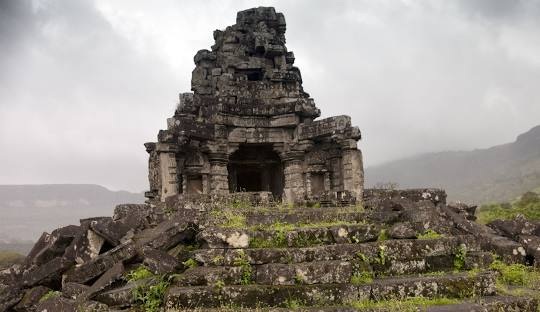
Anjaneri Fort is one of the most famous historical and religious destinations in the Nashik–Trimbakeshwar mountain range of Maharashtra. Nestled amidst the scenic Western Ghats (Sahyadri Hills), Anjaneri is widely believed to be the birthplace of Lord Hanuman, making it a sacred pilgrimage site as well as a popular trekking destination.
Located about 20 km from Nashik City and around 7–8 km from Trimbakeshwar, Anjaneri attracts thousands of pilgrims, trekkers, photographers, history enthusiasts, and nature lovers throughout the year. The fort is surrounded by lush forests, rocky cliffs, ancient caves, freshwater ponds, and breathtaking mountain views, offering visitors a unique blend of spirituality, history, and adventure.
Whether you wish to seek blessings, enjoy a rewarding trek, or explore one of Maharashtra’s historic hill forts, Anjaneri Fort promises an unforgettable experience.
Historical Background
Anjaneri Fort has been an important landmark in the Nashik region for centuries. The hill is believed to have served as a strategic watchpoint because of its commanding views over the surrounding valleys and trade routes.
Several ancient temples, rock-cut structures, caves, and water reservoirs found on the hill indicate that the area has been inhabited and revered since ancient times. Historians believe that different dynasties in Maharashtra, including the Yadavas, Bahmani rulers, Mughals, and later the Marathas, recognized the importance of this region due to its geographical location.
Today, while much of the fort lies in ruins, its historical remains continue to attract visitors interested in Maharashtra’s rich heritage.
Mythological Importance
Anjaneri Fort holds immense religious significance in Hindu tradition because it is widely associated with Mata Anjani, the mother of Lord Hanuman.
According to popular belief:
- Mata Anjani performed severe penance on this hill.
- Lord Shiva blessed her with a divine child.
- Lord Hanuman was born here and later became one of the greatest devotees of Lord Rama.
Because of this sacred connection, devotees from across India visit Anjaneri to offer prayers and seek blessings.
Many pilgrims consider a visit to Anjaneri an important part of their Trimbakeshwar pilgrimage.
Why is it Called Anjaneri?
The hill derives its name from Mata Anjani.
According to Hindu tradition, she meditated here for many years before receiving Lord Shiva’s blessings. The place where she is believed to have lived gradually became known as Anjaneri, meaning the land associated with Anjani Mata.
Today, the village at the base of the hill and the fort itself both carry the same name.
Trek to Anjaneri Fort
The trek to Anjaneri Fort is considered one of the most enjoyable and beginner-friendly treks in Maharashtra.
The route includes:
- Stone staircases
- Forest trails
- Rocky pathways
- Grasslands
- Ancient gateways
Most visitors complete the trek in 1.5 to 2.5 hours, depending on their pace and weather conditions.
The climb is suitable for beginners, families with older children, and experienced trekkers.
Scenic Beauty
One of the biggest attractions of Anjaneri Fort is its spectacular natural beauty.
During the trek, visitors can enjoy:
- Rolling green hills
- Dense forests
- Seasonal waterfalls
- Rocky cliffs
- Colourful wildflowers
- Mist-covered valleys during monsoon
- Beautiful sunrise and sunset views
Photography enthusiasts particularly enjoy visiting during the rainy season when the landscape becomes lush and vibrant.
Hanuman Temple
One of the most important places on Anjaneri Hill is the Hanuman Temple, where devotees offer prayers throughout the year.
Many pilgrims climb the hill specifically to:
- Worship Lord Hanuman
- Seek blessings for strength and courage
- Celebrate Hanuman Jayanti
- Participate in religious ceremonies
The peaceful surroundings create an ideal environment for meditation and devotion.
Ancient Caves and Temples
Apart from the Hanuman Temple, Anjaneri also features several ancient structures, including:
- Stone temples
- Rock-cut caves
- Old water tanks
- Ancient shrines
- Temple ruins
These archaeological remains reflect the historical and religious importance of the region over many centuries.
Wildlife and Nature
Anjaneri lies close to the Anjaneri Conservation Reserve, an ecologically important area within the Western Ghats.
The region supports a rich variety of flora and fauna, including:
Plants
- Native trees
- Bamboo
- Medicinal herbs
- Wildflowers
- Grasslands
Birds
Birdwatchers may spot:
- Peafowl
- Bulbuls
- Sunbirds
- Drongos
- Eagles
- Kingfishers
Animals
Wildlife in the surrounding forest may include:
- Langurs
- Monkeys
- Deer
- Indian hare
- Small reptiles
Visitors should respect wildlife and avoid disturbing their natural habitat.
Best Time to Visit
Monsoon (June to September)
This is the most scenic season.
Visitors enjoy:
- Green hills
- Flowing waterfalls
- Mist-covered mountains
- Pleasant temperatures
Extra care is required because the rocks and steps can become slippery.
Winter (October to February)
Winter offers comfortable weather for trekking, sightseeing, and photography.
This is considered the ideal season for families and first-time visitors.
Summer (March to May)
Morning treks are recommended to avoid afternoon heat.
How to Reach Anjaneri Fort
By Air
The nearest airport is Nashik Airport, while Mumbai International Airport provides broader domestic and international connectivity.
By Train
The nearest railway station is Nashik Road Railway Station, which is well connected to major Indian cities.
By Road
Anjaneri is easily accessible by road from:
- Nashik
- Trimbakeshwar
- Mumbai
- Pune
- Igatpuri
State transport buses, taxis, and private vehicles regularly operate on this route.
Distance from Trimbakeshwar
One of the advantages of visiting Anjaneri Fort is its proximity to Trimbakeshwar.
The fort is located approximately 7–8 kilometres from the Trimbakeshwar Temple area, making it convenient to include both destinations in a single day trip.
Many visitors combine:
- Trimbakeshwar Jyotirlinga Temple
- Kushavart Kund
- Brahmagiri Hill
- Gangadwar
- Anjaneri Fort
into one well-planned spiritual and sightseeing itinerary.
Things to Carry
For a comfortable trek, carry:
- Comfortable trekking shoes
- Drinking water
- Light snacks
- Raincoat (during monsoon)
- Hat or cap
- Sunscreen
- Camera
- Basic first-aid kit
Avoid carrying unnecessary plastic items and dispose of waste responsibly.
Travel Tips
- Start your trek early in the morning.
- Check the weather forecast before visiting.
- Wear comfortable clothing.
- Follow marked trekking trails.
- Avoid trekking during heavy rainfall or thunderstorms.
- Respect religious sites and local customs.
- Keep the hill clean by avoiding littering.
- Stay hydrated throughout the climb.
Nearby Tourist Attractions
After exploring Anjaneri Fort, visitors can also visit:
- Trimbakeshwar Jyotirlinga Temple
- Brahmagiri Hill
- Kushavart Kund
- Gangadwar
- Harihar Fort
- Coin Museum
- Pandavleni Caves (Nashik)
- Sula Vineyards (for visitors interested in wine tourism)
These attractions offer a combination of spirituality, history, culture, and nature.
Interesting Facts About Anjaneri Fort
- It is widely believed to be the birthplace of Lord Hanuman.
- The hill lies within the scenic Western Ghats.
- It is one of the most popular trekking destinations near Nashik.
- Ancient temples and caves are found on the hill.
- It attracts both pilgrims and adventure enthusiasts.
- The surrounding conservation reserve supports rich biodiversity.
Frequently Asked Questions (FAQs)
Where is Anjaneri Fort located?
Anjaneri Fort is located near Trimbakeshwar in Nashik district, Maharashtra.
Why is Anjaneri famous?
It is famous as the traditional birthplace of Lord Hanuman, its historic hill fort, and its scenic trekking routes.
Is the trek suitable for beginners?
Yes. The trek is generally considered easy to moderate and is suitable for beginners with reasonable fitness.
What is the best time to visit?
October to February is ideal for comfortable trekking, while the monsoon season offers lush greenery and spectacular views.
Can families visit Anjaneri Fort?
Yes. Families, pilgrims, photographers, and trekking enthusiasts frequently visit the fort. Elderly visitors should take adequate breaks and wear comfortable footwear.
Conclusion
Anjaneri Fort is one of Maharashtra’s most remarkable destinations, where history, mythology, spirituality, and natural beauty come together. Revered as the traditional birthplace of Lord Hanuman and surrounded by the breathtaking landscapes of the Western Ghats, it offers visitors an enriching experience beyond a typical trek.
Whether you come to seek blessings at the Hanuman Temple, explore ancient caves, admire panoramic views of the Sahyadri mountains, or simply enjoy a peaceful escape into nature, Anjaneri Fort leaves a lasting impression. Its close proximity to Trimbakeshwar Jyotirlinga, Brahmagiri Hill, and Kushavart Kund also makes it an essential stop for anyone exploring the spiritual and cultural treasures of the Nashik–Trimbakeshwar region.
